
Homefarm helps you overcome the limits of winter gardening
For centuries, commercial farmers and home gardeners have planned around and been at the mercy of the seasons. Some crops grow better in the warmer months and others in the cooler months. Some require more rain and others thrive in slightly drier conditions.
Planting and harvesting schedules have been subject to the same cycles and seasonality for as long as we have a record of this activity in civilisation. Entire nations’ cuisines and eating patterns have been shaped and formed by their unique climates and annual seasons.
Industrialisation and globalisation have redefined farming operations
Globalisation and modern consumer demands have seen markets find ways of supplying exotic (non-indigenous) and out-of-season produce. Fruit and vegetables are shipped across long distances, often to completely different climatic zones from where they were grown, and commercial farmers have found innovative ways of growing crops out of traditional seasons.
Commercial farmers are using climate controlled tunnels and greenhouses to grow crops like berries, peppers and leafy produce in winter. Carefully selected seed varieties can also assist in yielding produce during the colder months. Some of these practices are more environmentally friendly than others, but they’ve made consumers and households fairly used to consistent availability of their favourite foods all year round.
What about microscale farming and home-based gardens?
Environmentally conscious home/hobby gardeners and small scale farmers/agribusinesses, who lack the resources to grow certain produce during winter, have resorted to abandoning their outdoor gardens because it costs too much and takes too much effort to keep them alive during winter.
They wait for the opportunity to replant and revive their vegetable gardens in the spring.
How is Homefarm helping overcome seasonal limitations?
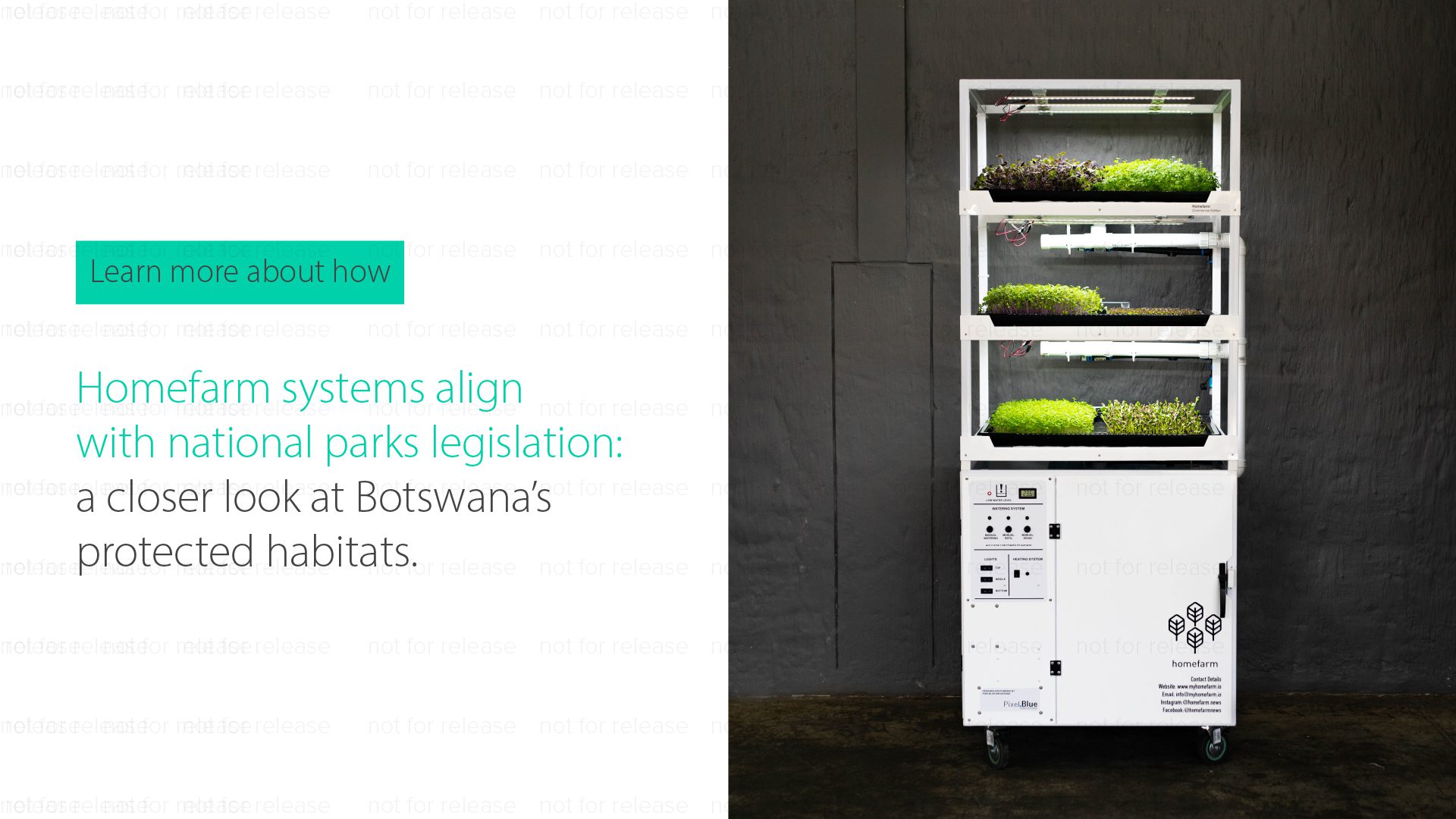
Thanks to our Homefarm systems, there is now a way for home gardeners and small businesses to access the tools they need to successfully grow more of their leafy produce in winter. By moving their herb gardens indoors, and using a Homefarm system, they can better regulate the temperature of their garden and enjoy yields throughout the year.
What’s more, they can get ahead of their early spring outdoor planting schedule by using a Homefarm system as a nursery to propagate fruit and veggie seedlings ahead of time.
Depending on how you plan your produce or what your volume demand is for seedlings, there will be a Homefarm system to suit you.
Our current range allows you to grow anywhere from 500g-15kg per month. Our largest system can also produce up to 3500 seedlings per month.
Key advantages of using a Homefarm system for home food gardening
- Winter food gardening and farming
Move your operation indoors during the winter months and sustain your family, community or business with fresh produce all year round.
- Supplement your outdoor garden
Increase the variety of crops you grow all year round. Grow fresh produce such as herbs, microgreens and lettuces, which thrive in an indoor or sheltered space.
Use your Homefarm to propagate seedlings and get ahead of your regular planting schedule each year.
- Organic and fully automated
Indoor-grown Homefarm crops can be grown organically because of our soil-based hydroponics systems. It’s a more natural environment that helps your crops thrive from Day 1. Automated watering and supplementary lighting cycles eliminate most of the work related to a traditional outdoor food garden.
- Loadshedding-friendly
Homefarm systems have been designed, developed and tested in South Africa. They are built to withstand the challenges of loadshedding, and incorporate a range of features which protect your crops from frequent power outages.*
*All systems automatically accommodate for loadshedding in relation to lighting and irrigation cycles; built-in surge protection is currently only available for Appliance and Commercial systems. For more information, please speak directly with a Homefarm consultant.
- Winter food gardening and farming
And last but not least — the all-important cost benefit
Homefarm systems enable you to grow produce at wholesale price or less. Our largest Homefarm Commercial system enables you to grow up to 15kg of produce for as little as R2000 per month in total input costs. If your business or community uses fresh leafy produce, Homefarm is a system you should consider.
Winter-worthy microgreens recipes
While you’re mulling over your decision, try these tantalising microgreens recipes.
If you’re struggling to source microgreens this winter, perhaps it’s time to find the right Homefarm system for you.

Sour dough toast avo and microgreens – enjoy a fresh and light meal – perfect for your lunch or supper.
Carrot microgreen salad – this dish just pops with colour.
Enjoy making these delicious dishes this winter.
References:
Carey, H. 8 Undeniable Reasons We Should All Be Eating Seasonal Foods. Available at: https://munskin.com/blogs/health-wellness/eating-seasonal-foods#:~:text=Eating%20in%20tune%20with%20the,air%20pollution%2C%20and%20global%20warming. (Accessed: 30 April 2023).
Haas, S. (RDN, LDN). (2023). What Is Seasonal Food? Your Complete Guide to Shopping, Growing, and Cooking Seasonally. Available at: https://www.healthline.com/nutrition/seasonal-food. (Accessed: 30 April 2023).
Russo, J. Pros & Cons of Growing Your Own Fruits & Vegetables. Available at: https://www.gardenguides.com/4024456-pros-cons-of-growing-your-own-fruits-vegetables.html. (Accessed: 1 May 2023).
Sourdough Avocado Toast with Microgreens. (2014-2023). Available at: https://afoodloverslife.com/avocado-toast-with-microgreens/. (Accessed: 12 May 2023).
Walthers, C. Carrot and Microgreen Salad. Available at: https://www.edibleboston.com/blog/2020/2/1/carrot-and-microgreen-salad?format=amp. (Accessed: 12 May 2023).
WebMD Editorial Contributors. (2005-2023). What to Know About Seasonal Eating. Available at: https://www.webmd.com/diet/what-to-know-seasonal-eating. (Accessed: 30 April 2023).